Language

The AUGU Table Rubber Cutting Machine has been gaining attention in rubber processing facilities for its precision, hydraulic efficiency, and consistent performance. For workshops and industrial settings, understanding how fast the Rubber Cutting Machine can operate is essential for optimizing workflow and meeting production targets.
When evaluating the Rubber Cutting Machine, one of the key metrics often considered is the number of cuts per minute it can achieve. This measurement depends on several factors, including material thickness, hydraulic pressure settings, and the machine's automated action. Unlike manual cutters, hydraulic guillotine systems deliver uniform force, ensuring that each cut is clean, regardless of the rubber type.
Rubber materials vary in density and elasticity. Thicker or highly reinforced rubber requires more hydraulic pressure and slightly slower cutting cycles. Conversely, softer rubber can be processed more quickly, allowing for higher cuts per minute without compromising quality.
The heart of a Table Rubber Cutting Machine is its hydraulic system. Machines with optimized hydraulic power adjust force automatically to match material resistance, allowing rapid and precise cuts without damaging the blade or the workpiece.
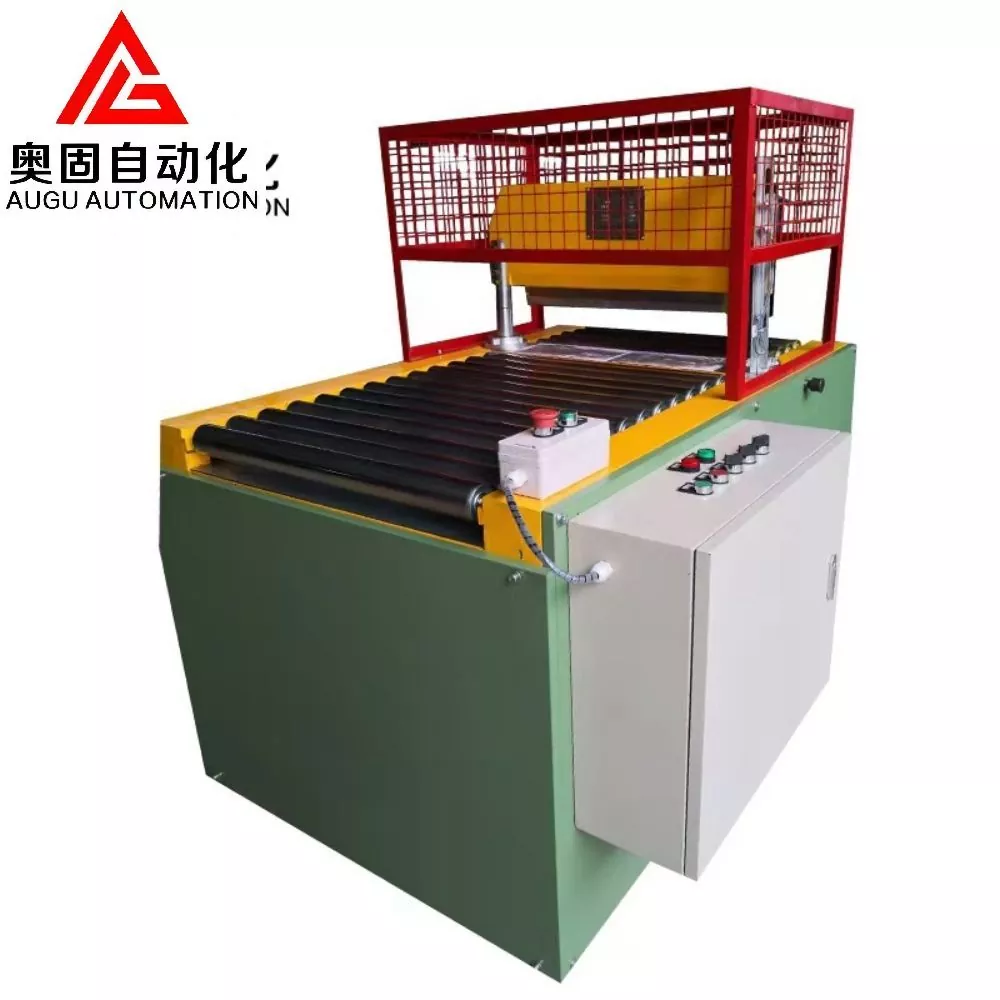
Modern machines equipped with LCD control systems streamline operations. Operators can set desired lengths, cutting intervals, and speed, which reduces human error and maintains consistent production rates. Automated guillotine action significantly improves efficiency, especially in repetitive cutting tasks.
| Specification | Detail |
| Blade Type | Single Blade |
| Cutting Method | Hydraulic Guillotine |
| Material Range | Soft to Reinforced Rubber |
| Control System | LCD Panel with Programmable Settings |
| Standard Cycle Time | 15–30 seconds per cut (depending on material) |
| Approximate Cuts per Minute | 2–4 (adjustable based on thickness and hardness) |
For rubber processing units, knowing the typical cuts per minute helps in planning production schedules. It capable of performing multiple precise cuts per cycle reduces waste, minimizes manual adjustments, and ensures uniformity across batches. This is especially relevant for tire manufacturing, custom length cutting, and general rubber processing.
Operational speed is not the only consideration. A well-maintained Table Rubber Cutting Machine maintains high performance over years of use. Routine maintenance, including hydraulic checks, blade inspection, and cleaning of automated components, prevents downtime and keeps cuts precise. Proper calibration of the LCD control system also ensures that the machine operates at peak efficiency.
| Maintenance Task | Recommended Frequency |
| Hydraulic Oil Check | Monthly |
| Blade Inspection and Replacement | Every 6–12 months |
| LCD System Calibration | Quarterly |
| Safety Mechanism Test | Weekly |
Rapid cutting capabilities do not compromise safety. Modern machines include interlocked safety mechanisms, ensuring that operators are protected during hydraulic operations. Features like emergency stop functions and automatic blade guards are essential when performing frequent cuts, making the workflow both faster and safer.
The demand for the Rubber Cutting Machines has grown alongside innovations in tire production and rubber material processing. Facilities are increasingly looking for equipment that balances speed, precision, and safety. Machines that can adapt to different rubber types without sacrificing cutting quality provide an operational advantage.
Many industry experts highlight that achieving optimal cuts per minute is less about maximum speed and more about consistency. Rapid yet uneven cuts can result in material waste, machine wear, and production delays. Therefore, a well-engineered hydraulic system and programmable controls are critical.
Understanding how many cuts per minute a Table Rubber Cutting Machine can achieve helps industrial teams optimize their rubber processing workflow. By considering factors like material type, hydraulic efficiency, and automation, operators can maximize productivity while ensuring safety and quality. The AUGU the Rubber Cutting Machine exemplifies these qualities, offering reliable performance, adjustable cutting speed, and precision in both small-scale workshops and larger industrial applications.